Commercial vs Residential Mini Bar Fridges: What Businesses Should Never Compromise On

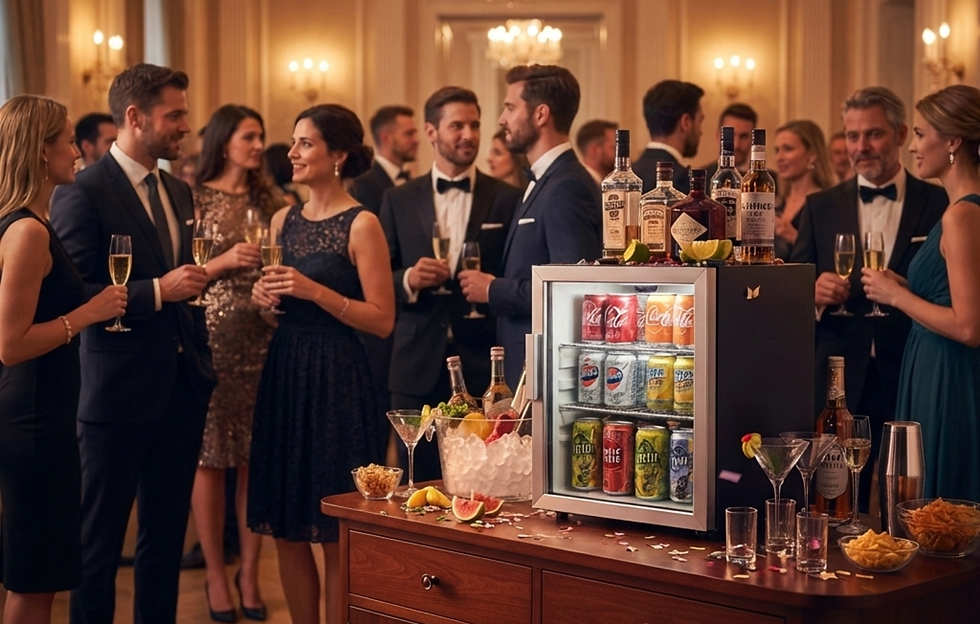
In today’s competitive hospitality, retail, and corporate environments, every detail contributes to customer experience and operational efficiency — including refrigeration. Whether it’s a hotel room, executive office, retail outlet, or lounge, choosing the right mini bar fridge is more than a matter of convenience. It directly affects performance, durability, energy efficiency, and brand perception.
Many businesses mistakenly assume that residential mini fridges are sufficient for commercial use. However, there are critical differences between commercial and residential mini bar refrigerators — and choosing the wrong one can lead to frequent breakdowns, higher operating costs, and compromised customer satisfaction.
Understanding these differences helps businesses make smarter investments, especially when sourcing from trusted refrigerator manufacturers in india like Veeline, known for commercial-grade refrigeration solutions designed for performance and reliability.
Let’s explore what truly separates commercial and residential mini bar fridges — and what businesses should never compromise on.
1. Built for Usage Intensity
The most significant difference between commercial and residential mini bar fridges lies in how frequently they are used.
Residential units are designed for occasional use — a few door openings per day, minimal load variation, and controlled indoor environments. Commercial spaces are completely different. Hotel guests, staff, or customers may open a fridge multiple times every hour, and products are constantly restocked.
Commercial mini bar fridges are engineered to handle continuous operation and heavy usage. They are built with stronger compressors, durable components, and advanced cooling systems that maintain consistent temperatures even under demanding conditions.
Businesses that install residential units often face premature wear and frequent servicing — something no commercial environment can afford.
2. Cooling Performance and Temperature Stability
Temperature consistency is essential in business settings, especially where beverages, perishables, or guest amenities must be maintained at specific cooling levels.
Commercial mini bar refrigerators offer optimized cooling technology designed to deliver stable performance throughout the day. This ensures products remain perfectly chilled regardless of frequent door openings or fluctuating room temperatures. Veeline mini bar units, for example, are designed to maintain ideal cooling while operating quietly — an important feature for hospitality environments.
Residential models may struggle to recover temperature quickly after repeated use, leading to inconsistent cooling and reduced product quality.
For businesses, temperature stability is not optional — it’s essential.
3. Durability and Long-Term Reliability
Commercial refrigeration equipment is an investment. Businesses expect it to perform reliably for years with minimal downtime.
Commercial mini bar fridges are constructed using high-quality materials, reinforced insulation, and industrial-grade components that can withstand continuous operation. Manufacturers design them specifically for demanding environments such as hotels, retail spaces, and offices.
In contrast, residential mini fridges are built for comfort and occasional use — not endurance.
Leading refrigerator manufacturers in india emphasize durability and reliability as key commercial requirements. Products designed for business environments undergo rigorous testing to ensure long-term performance under real-world operating conditions.
4. Customization and Business Integration
Every business has unique space and branding requirements. A hotel may need silent operation and compact dimensions. A retail outlet may require glass doors for display. Corporate offices may prioritize aesthetics and seamless interior integration.
Commercial mini bar fridges offer extensive customization — including size, shelving, door type, and even exterior finish. This flexibility allows businesses to match refrigeration equipment with their operational and branding needs.
Manufacturers like Veeline provide customizable mini bar solutions tailored to specific commercial environments, from compact hotel installations to specialized retail configurations.
Residential fridges rarely offer this level of adaptability.
5. Energy Efficiency and Cost Management
Energy consumption is a major factor in commercial operations. Refrigeration equipment typically runs 24/7, and inefficient models can significantly increase operational costs.
Modern commercial mini bar refrigerators are designed with energy-efficient technology that reduces electricity usage without compromising performance. Advanced compressor systems and eco-friendly refrigerants help businesses control utility expenses while maintaining optimal cooling.
While residential units may appear cheaper initially, they often cost more over time due to inefficient operation under heavy commercial loads.
Businesses must consider lifetime operating cost — not just purchase price.
6. Professional Appearance and Customer Experience
In hospitality and retail environments, visual presentation matters. A sleek, well-designed mini bar enhances room aesthetics and reinforces brand perception.
Commercial mini bar refrigerators are designed to complement modern interiors with stylish finishes, compact elegance, and seamless installation. Their appearance aligns with professional business environments while maintaining functional efficiency.
Residential units often lack the refined design and integration capability required for customer-facing spaces.
7. Compliance, Certifications, and Quality Standards
Commercial refrigeration must meet industry regulations and global manufacturing standards. Certification ensures safety, performance, and reliability.
Established manufacturers follow strict quality protocols, including advanced testing and compliance with international standards. Companies like Veeline operate certified manufacturing facilities and maintain rigorous quality control processes to ensure dependable performance across global markets.
Residential appliances may not always meet the same commercial-grade certification requirements.
Why Businesses Should Always Choose Commercial Mini Bar Fridges
A mini bar fridge in a business environment is not just a cooling appliance — it is an operational asset. Choosing a residential model may seem economical initially, but it often leads to:
Frequent maintenance
Inconsistent cooling
Higher energy consumption
Shorter product lifespan
Poor customer experience
Commercial mini bar refrigerators eliminate these risks by offering durability, efficiency, and performance tailored for professional use.
Final Thoughts
When choosing refrigeration equipment, businesses need to look beyond just size and price. The differences between commercial-grade and household units are substantial, and making the right choice directly affects operational efficiency, cost management, and overall customer experience.
Partnering with experienced manufacturers ensures access to advanced cooling technology, customization options, and dependable performance designed specifically for demanding business environments.
For organizations that value quality, efficiency, and long-term reliability, investing in professional-grade refrigeration isn’t just a smart decision — it’s an essential one.
Frequently Asked Questions (FAQs)
1. What is the main difference between a commercial and residential mini bar fridge?
Commercial mini bar fridges are designed for frequent use, continuous operation, and consistent cooling performance. Residential models are built for occasional use and may not handle heavy commercial workloads effectively.
2. Can businesses use residential mini bar fridges to save money?
While residential units may have a lower upfront cost, they are not designed for commercial environments. Frequent usage can lead to higher maintenance, energy consumption, and shorter lifespan — making them more expensive in the long run.
3. Why is temperature stability important in a mini bar fridge for businesses?
Consistent cooling ensures product freshness, guest satisfaction, and regulatory compliance. Commercial mini bar fridges are engineered to recover temperature quickly after frequent door openings, which is essential in hospitality and retail environments.
4. Are commercial mini bar fridges more energy efficient?
Yes. Most modern commercial mini bar fridges are designed for energy efficiency despite continuous operation. They use advanced cooling systems and optimized compressors to reduce long-term electricity costs.


